
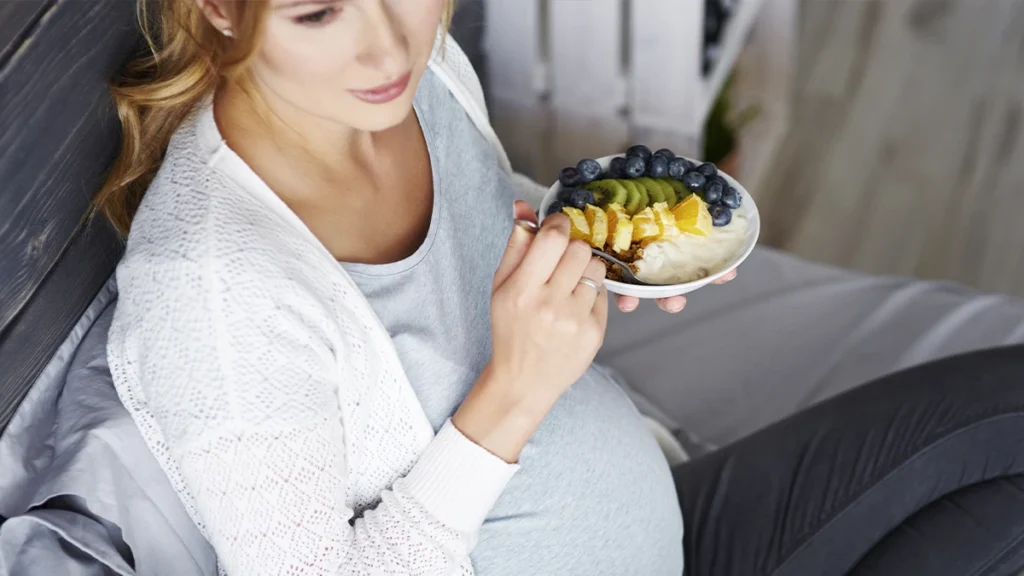
When you find out you’re pregnant, one of the first questions that comes to mind is: “So what can I eat now?”. There are many tips circulating about nutrition during pregnancy, some correct, others more akin to urban legends. In reality, there’s no need to completely overhaul your diet: the important thing is to know which foods are most suitable and which ones it’s better to set aside for a few months. Eating during pregnancy doesn’t mean “eating for two,” but nourishing for two: providing the mother’s body and the baby with energy, protection, and substances useful for growth. What to put on your plate: pregnancy-friendly foods The table during pregnancy can be colorful and varied, without boring restrictions.
- Fresh fruits and vegetables: they are your best allies. Rich in fiber, vitamins, and water, they help combat constipation and maintain stable hydration. Always wash them well (a rinse in water and baking soda is a good habit) and try to alternate colors: dark green for iron and folic acid (spinach, broccoli), orange for vitamin A (carrots, pumpkin), red for antioxidants (tomatoes, strawberries).
- Whole grains: whole grain pasta, bread, and rice, oats or spelt release energy slowly and help you avoid sugar crashes. They are also an excellent source of fiber.
- Healthy proteins: they should never be missing. You can choose from legumes (lentils, chickpeas, beans), well-cooked white meats, low-mercury fish (salmon, trout, cod). A couple of times a week, eggs (pasteurized or well-cooked) are perfect.
- Pasteurized dairy products: milk, yogurt, and fresh cheeses provide you with calcium and protein, but make sure they are always pasteurized.
- Good fats: extra virgin olive oil is irreplaceable. Nuts, almonds, and seeds (chia, flax, pumpkin) contain fatty acids that help the baby’s brain development.
In short, variety is the golden rule: the more you alternate foods, the more you ensure different nutrients for your body and your baby. What to limit without too much guilt There are foods that shouldn’t be completely eliminated, but consumed in moderation. Coffee, for example: a cup a day is not a problem, but it’s better not to overdo it. The same goes for tea, chocolate, and caffeinated beverages. Sweets are not “forbidden”: an ice cream or a slice of cake now and then is fine, as long as they don’t become a daily habit. Cooked cured meats like cooked ham or mortadella can stay on the table, but only if fresh and stored correctly. Foods to avoid during pregnancy: better not to take risks There are foods that, at least for these nine months, it’s better to eliminate completely, as they pose risks of infections or contamination.
- Raw or undercooked meats: goodbye carpaccio, tartare, and raw cured meats (prosciutto crudo, salami, bresaola). They are the main culprits of toxoplasmosis.
- Large predatory fish: like swordfish, fresh tuna, or shark, because they can contain mercury. It’s better to choose small and safe fish.
- Soft cheeses with bloomy rinds or unpasteurized blue cheeses: brie, camembert, gorgonzola can be carriers of listeriosis.
- Raw or undercooked eggs: be careful with homemade mayonnaise, tiramisu, zabaglione.
- Alcoholic beverages: there are no exceptions here. Even a glass can harm the fetus, so it’s better to avoid them altogether.
Practical tips for a peaceful table
- Organize small frequent meals: they help manage nausea and energy dips better.
- Always keep a snack in your bag: a banana, some dried fruit, or a yogurt can save you during sudden hunger moments.
- Simple and light cooking: avoid overly elaborate dishes, prefer steaming, grilling, or baking.
- Stay hydrated: often fatigue is linked to dehydration more than hunger.
In conclusion Pregnancy is not about sacrifices, but about conscious choices. With a little extra attention, you can continue to eat deliciously while ensuring your baby gets everything they need. Note: The contents of this page are for informational purposes and do not replace professional advice. In case of symptoms, doubts, or medical needs, always consult a qualified doctor.