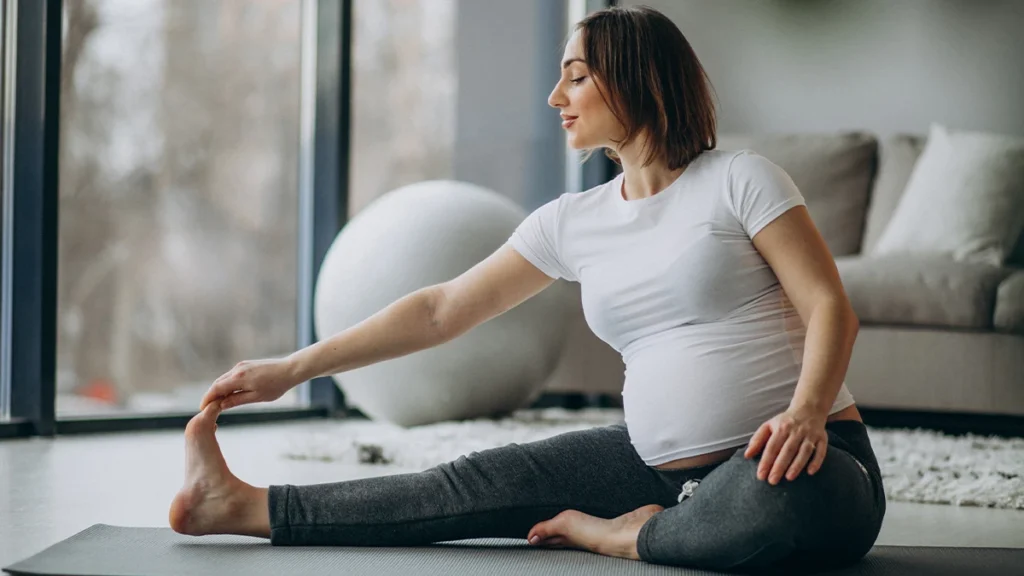
For many women, pregnancy seems like the time to stop, rest, and “not exert oneself.” It’s advice that is still often heard, passed down from loving grandmothers and aunts. In reality, if there are no particular complications or contrary indications from the gynecologist, pregnancy is not a period to spend on the couch. On the contrary: the right kind of movement, gentle and safe, becomes a valuable ally for both the mother and the baby. The body changes quickly: the belly grows, the back is more stressed, and posture changes. Sometimes you feel tired, other times a bit clumsy. Yet, moving is one of the best ways to regain energy and face the small daily discomforts with more serenity. Moving is good (and not just for the body) Physical activity during pregnancy has many positive effects that go beyond just muscles or weight. Walking, swimming, doing prenatal yoga: every action has an impact that extends beyond the body, touching the mind and mood as well. Moving helps keep circulation active, reducing swelling and heaviness in the legs. It strengthens the muscles that support the back and pelvis, decreasing lower back pain. It promotes more regular and deeper sleep. And, something that is not said enough, it is a natural stress reliever: when you move, the body produces endorphins, those substances that bring well-being and lightness. It’s as if movement reminds the body and mind that, despite the changes, you are still you, capable of energy, vitality, and strength. Which activities to choose There’s no need to become an athlete, and it’s not the time for extreme challenges. But there are simple and safe activities that can become a pleasant routine. The most accessible is walking: 20-30 minutes a day, at a steady pace, is already a great remedy. Swimming is perhaps the most loved activity during pregnancy: in the water, the belly weighs less, the back feels lighter, and movements become fluid and relaxing. It’s a kind of lightness break, where the body feels agile again. Prenatal yoga, on the other hand, provides balance, elasticity, and concentration. It helps with better breathing, relaxation, and connecting with your body and the baby. Safety first However, there are activities to avoid: contact sports, disciplines with a risk of falls, excessive exertion. The only rule is common sense: if a movement causes pain or shortness of breath, it’s better to stop. Every pregnancy is different, and activity should always be adapted to personal conditions and medical advice. In summary Moving during pregnancy is not a luxury, but a form of care for oneself. It means preparing the body for childbirth, reducing daily discomforts, and giving oneself moments of serenity. There’s no need for performance: regular steps, deep breaths, and the awareness that movement is a bridge of well-being between you and your baby are enough. Note: The contents of this page are for informational purposes and do not replace professional advice. In case of symptoms, doubts, or medical needs, always consult a qualified doctor.