
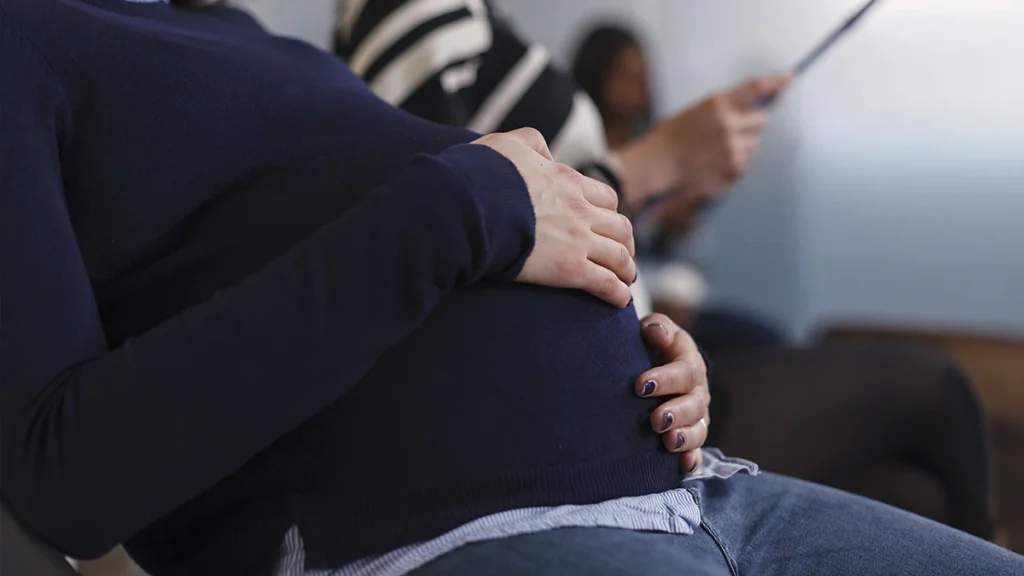
Pregnancy is a unique journey, but it should not be experienced alone. Every woman carries with her conflicting emotions: joy, expectations, but also fears and questions. Often, one finds themselves confronted with a thousand pieces of information found online, with the sometimes conflicting advice of friends and relatives, and with their own deepest fears. In this journey, support groups and prenatal classes can become a beacon: spaces where not only do you learn, but you share, confront each other, and feel part of a community.
Prenatal classes: much more than “lessons”
Many expectant mothers imagine prenatal classes as somewhat theoretical moments, filled with medical explanations and breathing techniques. In reality, they are much more. They are places where you learn to know your body and prepare not only for the moment of childbirth but also for what comes after: breastfeeding, managing the newborn, and physical and emotional recovery.
The meetings are often led by midwives, psychologists, or other professionals. Concrete topics are addressed – such as recognizing contractions, how to cope with labor, what to expect in the first weeks with the baby – but also emotional and relational aspects.
Participating means arriving on the day of birth with more tools, less anxiety, and the awareness that you are not alone.
Support groups: the power of sharing
Alongside the classes, there are support groups, often organized by clinics, associations, or private centers. Here, it is not just about receiving information, but about talking, listening, sharing.
Women share their fears, doubts, and changes. They discover that what they thought was “only theirs” is actually experienced by many others. Feeling understood and not judged makes a difference: it helps reduce anxiety and loneliness, strengthens self-confidence, and allows for a more serene experience of pregnancy.
Partners also have a role
Often, prenatal classes and support groups also involve partners. This is a valuable aspect: pregnancy and childbirth are not just a woman’s experience, but a couple’s experience.
For the partner, participating means better understanding the physical and emotional changes of pregnancy, feeling like an active part of the journey, and arriving more prepared for the moment of childbirth. It is not uncommon for many men to share that after these meetings, they experienced the arrival of their child with more awareness and less fear.
Help even after childbirth
Support does not end at the moment of birth. Many groups continue even afterward, transforming into spaces for discussion on topics such as breastfeeding, newborn sleep, and managing the first weeks. In a phase often marked by fatigue and emotional fragility, being able to rely on a support network is a precious gift.
Conclusion
Prenatal classes and support groups are not mandatory, but they can make a significant difference. They are not just opportunities to learn practical knowledge, but experiences that help you feel stronger, more aware, and more connected.
Participating means giving yourself not only information but also relationships, listening, and sharing. Because pregnancy is a personal journey, but it should never be a solitary journey.
Note: The contents of this page are for informational purposes and do not replace professional advice. In case of symptoms, doubts, or medical needs, always consult a qualified doctor.