
When you find out you are pregnant, emotions overlap: joy, surprise, fear, excitement. And along with the first questions (“Will I be ready?”, “Will everything be okay?”), a very practical one immediately arises: “What should I do to help my baby grow in the best way?”. Among the first answers from the gynecologist, there is almost always a clear recommendation: start taking folic acid.
This is no coincidence, as this vitamin – seemingly small and almost invisible – plays a crucial role in the early stages of fetal development. But it’s not the only piece of the puzzle. During pregnancy, in fact, the mother’s body has different needs for vitamins and minerals, which cannot always be met solely through diet. This is where the so-called prenatal vitamins come into play, a support specifically designed to cover these particular needs. In this long and comprehensive guide, I will help you understand why folic acid is so important, what other vitamins and minerals make a difference, how to take them, and which myths need to be clarified.
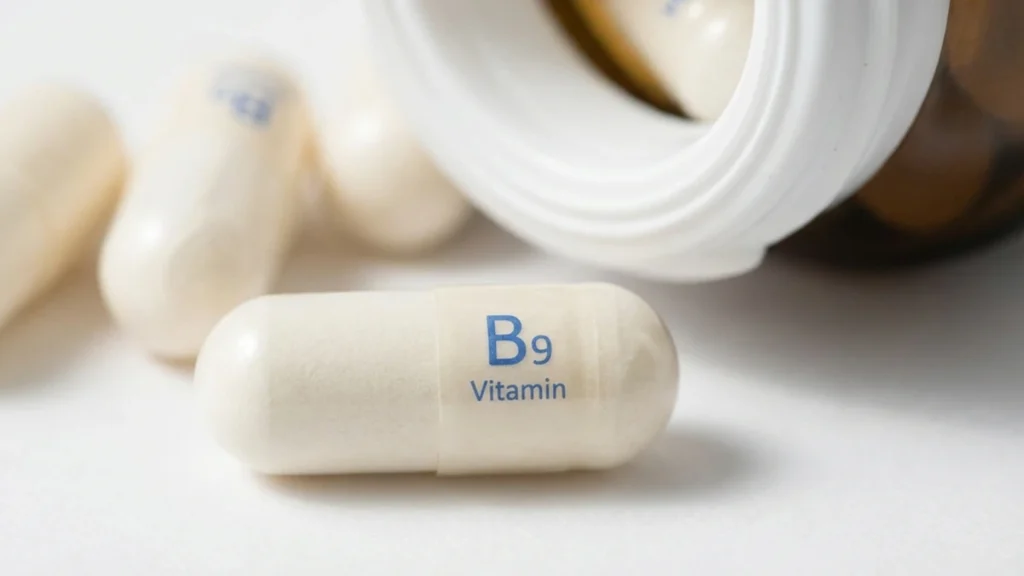
Folic Acid: The Vitamin That Protects the Future Folic acid belongs to the B vitamin group (vitamin B9) and is essential for DNA synthesis and cell formation. In other words, it is the fuel for the cellular growth process. During pregnancy, especially in the first weeks, this function becomes crucial: the fetus is in full development phase, and millions of new cells are formed every day. Folic acid, in particular, contributes to the proper closure of the neural tube, the structure from which the brain and spinal cord will form. The Prevention of Neural Tube Defects The most well-known benefit of folic acid is the prevention of severe congenital malformations such as spina bifida or anencephaly.
Scientific studies have shown that regular intake of folic acid before and during the early stages of pregnancy reduces the risk of these defects by over 70%. For this reason, international guidelines (WHO, Ministry of Health, gynecological societies) recommend taking folic acid even before conception. Ideally, it should start at least one month before trying to conceive and continue throughout the first trimester, when the neural tube closes. And here’s an aspect that often surprises: many women do not know they are pregnant until the 4th or 5th week, when the development of the nervous system is already underway. That’s why it’s so important to start taking folic acid even before the positive test if you are trying for a baby.
Where is Folic Acid Found? Folic acid exists in two forms: the natural one, called folates, and the synthetic one, which is the supplement. Folates are found in foods such as:
- green leafy vegetables (spinach, lettuce, broccoli);
- legumes (lentils, chickpeas, beans);
- citrus fruits and strawberries;
- whole grains.
The problem is that natural folates are very sensitive to heat and light: cooking causes a significant loss of vitamin content. Moreover, to reach the recommended dose of folates, very high quantities of these foods would be needed, which are difficult to consume daily. For this reason, supplementation is recommended: synthetic folic acid is more stable and better absorbed by the body.
Prenatal Vitamins: A Complete Support Folic acid is just the tip of the iceberg. But during pregnancy, other nutritional needs also change, and often the gynecologist recommends “prenatal” multivitamin supplements that contain, in addition to B9, other key nutrients. Let’s take a look at them together. Iron: Energy and Oxygen During pregnancy, blood volume increases by up to 50%. This means that the need for hemoglobin, and therefore iron, also grows. A deficiency can lead to anemia, with symptoms such as fatigue, pallor, and tachycardia. Diet alone does not always suffice to meet this need, and supplementation may be necessary, especially in the second and third trimesters.
Calcium and Vitamin D: Strong Bones, Inside and Out The baby builds bones and teeth even during intrauterine life. If the mother does not consume enough calcium, the body will draw it from her bone reserves, increasing the risk of osteoporosis in the future. Vitamin D, in addition to promoting calcium absorption, plays a role in the immune system. It’s no coincidence that many pregnant women have low levels and require supplementation.
Iodine: Brain and Cognitive Development Often overlooked, iodine is essential for the synthesis of thyroid hormones, which regulate the neurological development of the baby. In Italy, where iodized salt is already widespread, the intake is generally good, but it may be useful to supplement under medical advice. Omega-3 (DHA): Nourishment for the Brain Essential fatty acids, particularly DHA, are crucial for the development of the brain and retina of the fetus. They are mainly found in fatty fish, but often the amount consumed is not sufficient, especially since many women reduce their fish intake due to concerns about mercury. In these cases, supplementation can be very helpful.
Prenatal Vitamins: Do They Really Benefit Everyone? Here it’s important to clarify: there is no one-size-fits-all solution. Some women, with a varied and complete diet, may already have good levels of micronutrients; others, however, may need more supplementation, for example, if they follow a vegetarian or vegan diet, or if they have multiple pregnancies. That’s why the choice of supplement should always be personalized: never rely on self-medication, always discuss it with your gynecologist. Myths to Debunk
- “If I eat a lot of vegetables, I don’t need folic acid”: in reality, natural folates alone are not enough.
- “Prenatal supplements make you gain weight”: this is not true; they do not contain significant calories.
- “Once pregnancy has started, it’s too late for folic acid”: it’s never too late, although it’s ideal to start earlier.
Conclusions Folic acid is a small but great ally that protects the baby’s future from the very first days. Prenatal vitamins, on the other hand, are a complete support that helps the mother face the changes of pregnancy with more energy and confidence. Eating a balanced diet remains the foundation, but sometimes it’s not enough: that’s why the combination of good nutrition and supplements chosen with the doctor represents the best path.
Note: The contents of this page are for informational purposes only and do not replace professional advice. In case of symptoms, doubts, or medical needs, always consult a qualified physician.